
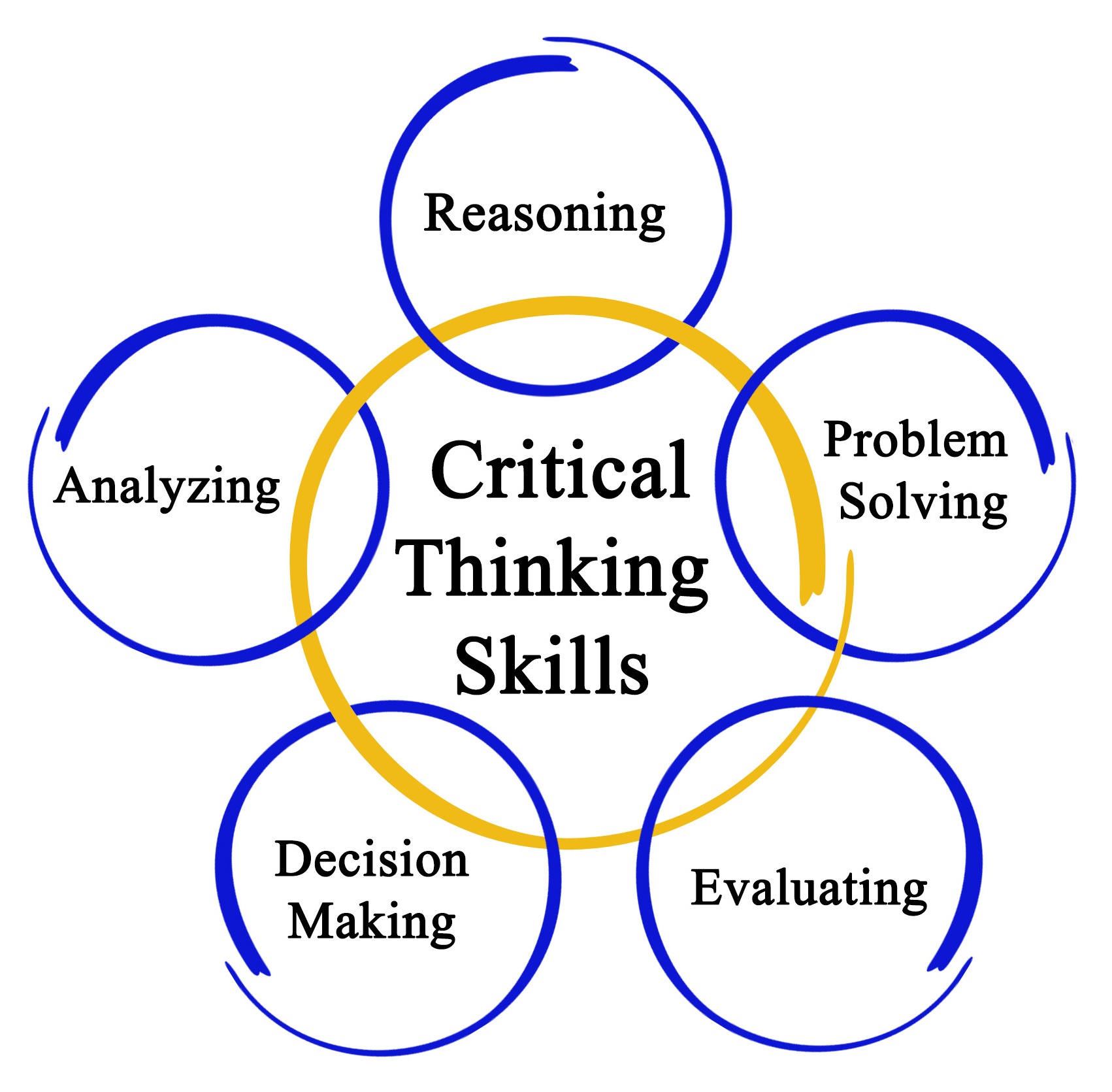
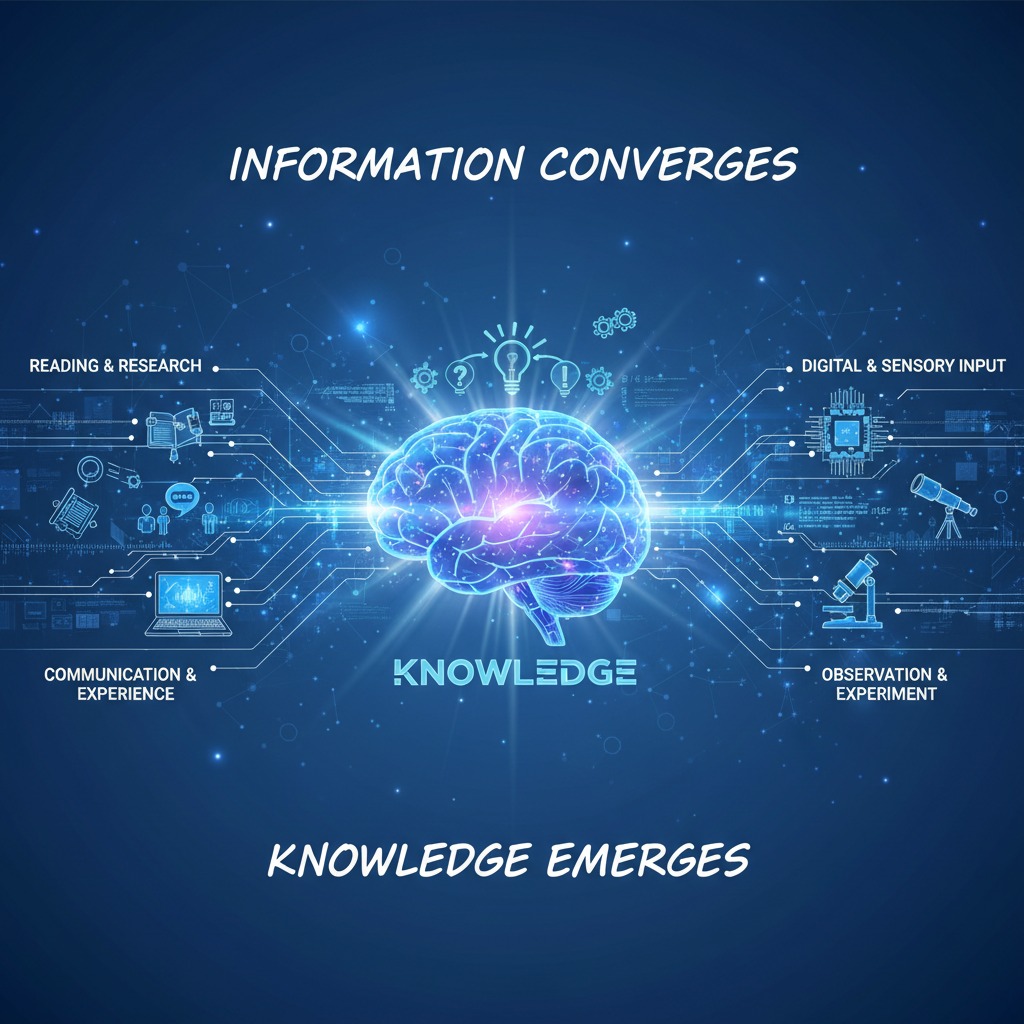
You have access to more information than any generation in human history. That’s not automatically an advantage. Knowing how to think about information matters more than how much of it you can access
Learn to distinguish between:
Facts vs. opinions presented as facts.
Data vs. interpretation of data.
Expertise vs. confidence (they frequently appear identical online)
Your own beliefs vs. beliefs you’ve absorbed without examination
The SIFT method for evaluating information accuracy
Stop before sharing or accepting — pause the automatic reaction
Investigate the source — who is saying this and why?
What do multiple credible sources say?
Trace claims to their origin
Not a tweet about something, but the original source
Develop intellectual humility
The smartest people you’ll ever meet hold their views loosely
They’re the ones saying “I might be wrong about this” and “tell me more.”
The people most certain they’re right are usually the ones most worth questioning.
Not a tweet about something, but the original source
Changing your mind when presented with good evidence is a strength, not a weakness.